



Natural Pet Health, Pet Nutrition
Let’s Talk About Your Pet’s Teeth!

01
Feb
Feb
Do you want to know some interesting facts about your pet’s teeth?
Cats and dogs need their teeth more than we do. While we only use our teeth to chew and to tear stubborn packets of chips open, our pets use them for various other reasons such as to communicate, as a defense mechanism as well as eating.
Teeth are really important for an animal.
However, they’re prone to disease and decay, which is why it is crucial to take care of them.
In this blog post, we will share some interesting facts about your pet’s teeth and help you figure out how to take better care of their oral health.
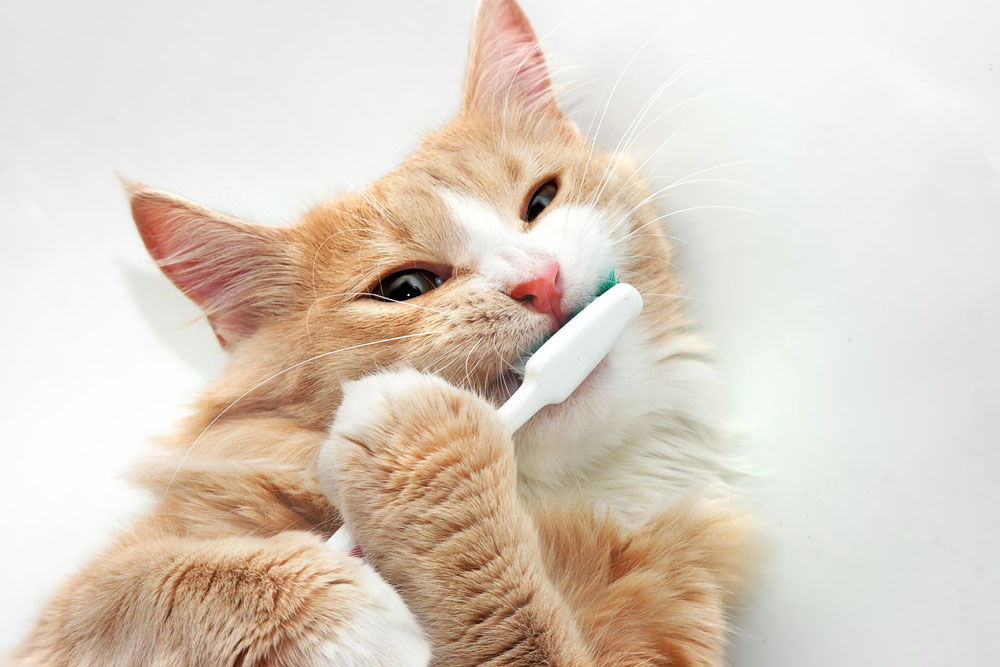
Fun Facts About Your Pet’s Teeth!
There are many things that you probably don’t know about your pet’s pearly whites. Such as…- Cats and dogs have a set of baby or milk teeth just like humans do, which get replaced when they get older
- Cats have 30 permanent teeth while dogs have 42
- 80% of cats and dogs over the age of three have some form of dental disease
- Taking good care of your pet’s teeth can add 2-4 years to its life
- Periodontal disease is the most common dental ailment that adult dogs and cats suffer from
- Periodontal disease can lead to your pet developing infection and inflammation to other organs as well, such as to your pet’s liver, kidneys, and heart
- If your pet has bad breath, you should get him/her checked for periodontal disease!
- Your pet most probably won’t let you know that something’s wrong as they don’t usually stop eating, even in the most advanced stages of periodontal disease
- Small breeds of dogs and cats are prone to dental problems since their teeth are often too big for their mouths
- Pets can have several veterinary procedures performed, such as crowns and root canals
- Nasal discharge and sneezing are two of the most commonly ignored signs of tooth infection
- Your pet might need to be put under general anesthesia for proper dental cleaning
- You should brush your pet’s teeth on a daily basis, to promote dental health
- It takes just 48 hours for dental plaque to turn into tartar which can’t be removed by brushing
- A broken milk tooth which has an exposed pulp may cause puppies to come down with tetanus
- If your pet chews on hard things such as wood, rocks, and bones, their teeth can be easily broken
Taking Care of Your Pet’s Teeth
To ensure your pet’s oral health, it is crucial to brush their teeth on a regular basis. Here’s how to do this, simply and painlessly (animal permitting).Buy a High-quality animal Toothpaste and Toothbrush
One of the most important things that pet owners overlook when it comes to their pet’s oral hygiene is that they don’t buy a toothbrush made for their pets and use an adult toothbrush on them instead, which usually don’t work, We recommend that you get toothbrushes made specifically for your pet because:- They can easily access the crevices of your pet’s mouth
- The bristles are made to clean the pet’s mouth
Start Brushing When Your Pet Is Young!
We recommend that you start brushing your pet’s teeth when they’re young – in puppyhood or kittenhood – so that your pet doesn’t freak out while you’re brushing their teeth. This can also turn into a bonding experience, once your pet gets used to it.Start by First Introducing Your Pet to the Toothpaste and Toothbrush
You can’t just put something in your pet’s mouth and expect them to go with it! We recommend that you start by getting your pet comfortable with having the toothbrush and toothpaste in their mouth. This makes brushing feel a little less overwhelming. Here are some steps you can follow:- Let your pet taste a small amount of the toothpaste on your finger.
- As your pet smells and eventually licks the paste, start brushing your pet’s teeth with your fingers as it makes the transition easier
- Show your pet the toothbrush with the toothpaste on it and allow it to lick the toothpaste
Brush a Few Teeth at a Time
Take things slowly by brushing only a few of your dog’s teeth with the toothbrush and gradually work your way up to the whole mouth over the span of a few days or longer if necessary. As with ALL training, patience is key.Make it a Habit
The goal of brushing your pet’s teeth is to make the process easy while protecting your pet from painful dental diseases. You should ideally brush your pet’s teeth once a day or once every other day However, you can aim for brushing your furry friend’s teeth at least three times a week.The natural way to healthy teeth
HomeoPet have just launched Doggy Dental and Purr Dental to help keep your pet’s teeth clean and healthy. These natural, homeopathic medicines aid in the removal of plaque and tartar, whilst also supporting healthy teeth, gums and breath.Summing Up
Do you know any cool facts about your cat’s or dog’s teeth? If so, share them with us in the comments below! Taking care of your pet’s teeth is crucial to ensure that they live a happy and pain-free life (not to mention avoiding hefty vet bills). The first step towards ensuring your pet’s dental health is regularly brushing their teeth to fight germ buildup and plaque. In this blog post, we went through some interesting facts about your pet’s teeth and a step-by-step guide on how you can start brushing your pet’s teeth. Do you have any questions? Let us know in the comments, and we’ll get back to you as soon as we can.